LOAD
It shares the strain
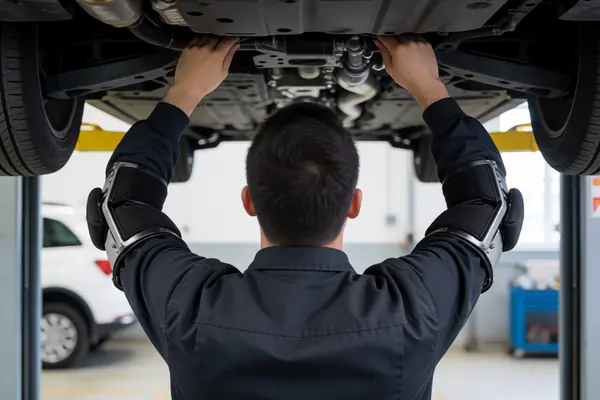
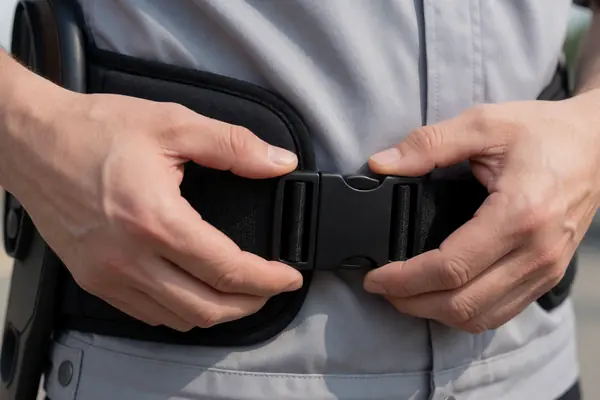
Passive exoskeletons store energy in springs or elastic; active ones use motors, pneumatic muscles or hydraulics. Both aim to take some load off the spine.
Check a task cybertechwear
WHAT THE RESEARCH SAYS
Exoskeletons are moving from the lab to the warehouse floor.
SHARE THE LOAD not the whole job
511k workers Workers with work-related musculoskeletal disorders, 2024/25
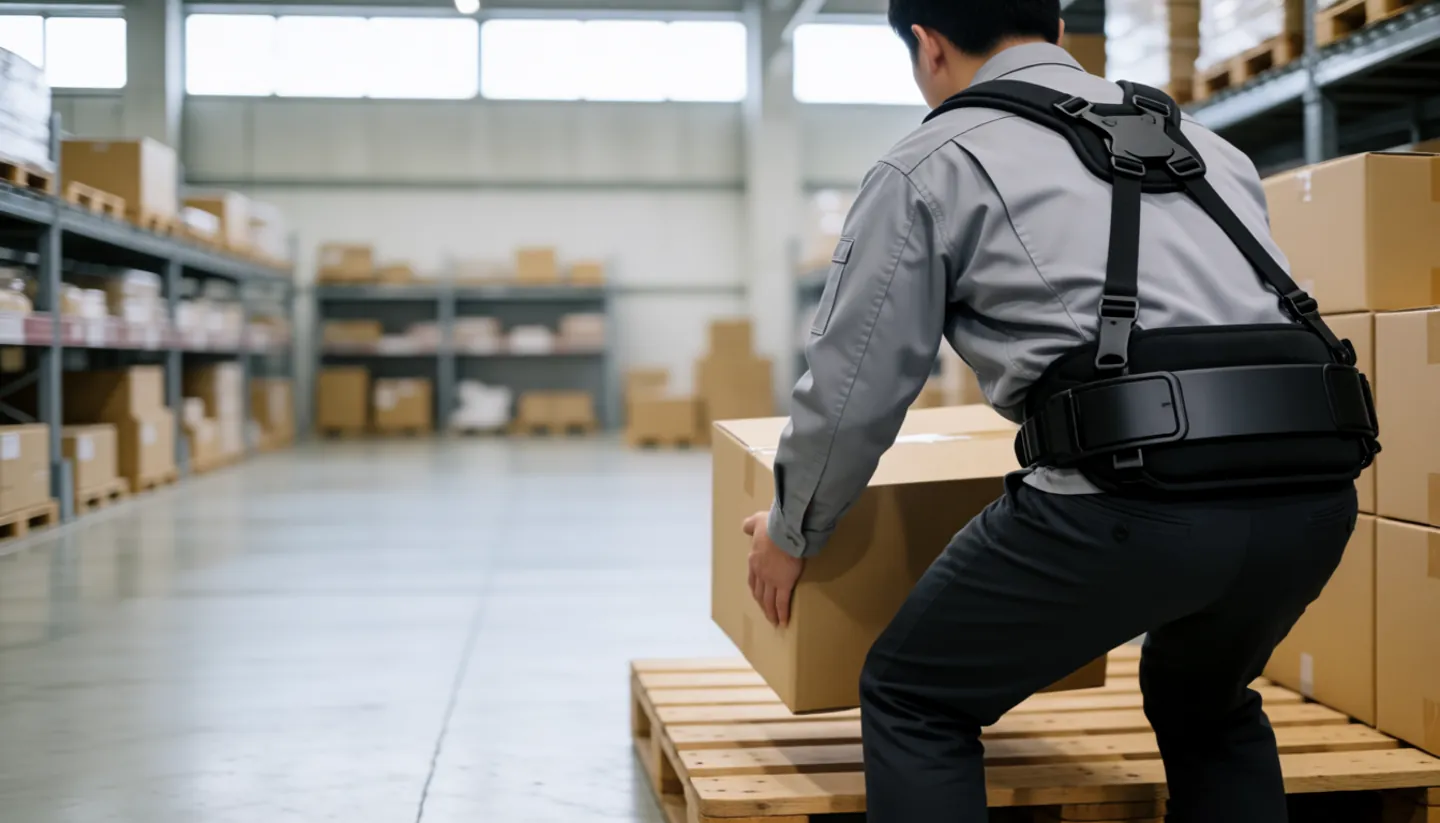
These wearable frames and suits use springs, elastic or motors to share the load on the back, shoulders or legs. Reviews of the research find real reductions in muscle strain for some tasks, and real problems with comfort, fit and movement in others.
THE SHORT ANSWER
Lab results are promising.
Real workplaces are harder.
LOAD
Passive exoskeletons store energy in springs or elastic; active ones use motors, pneumatic muscles or hydraulics. Both aim to take some load off the spine.
Check a taskTASKS
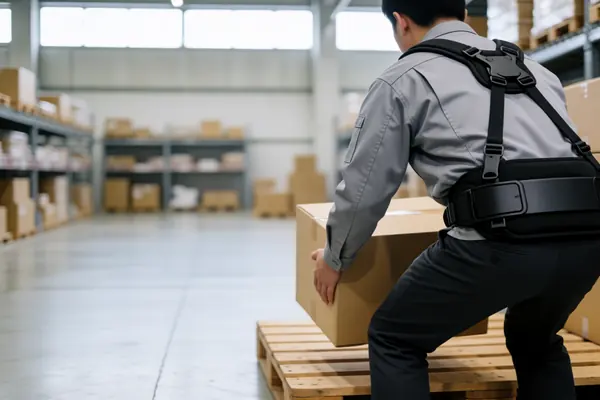
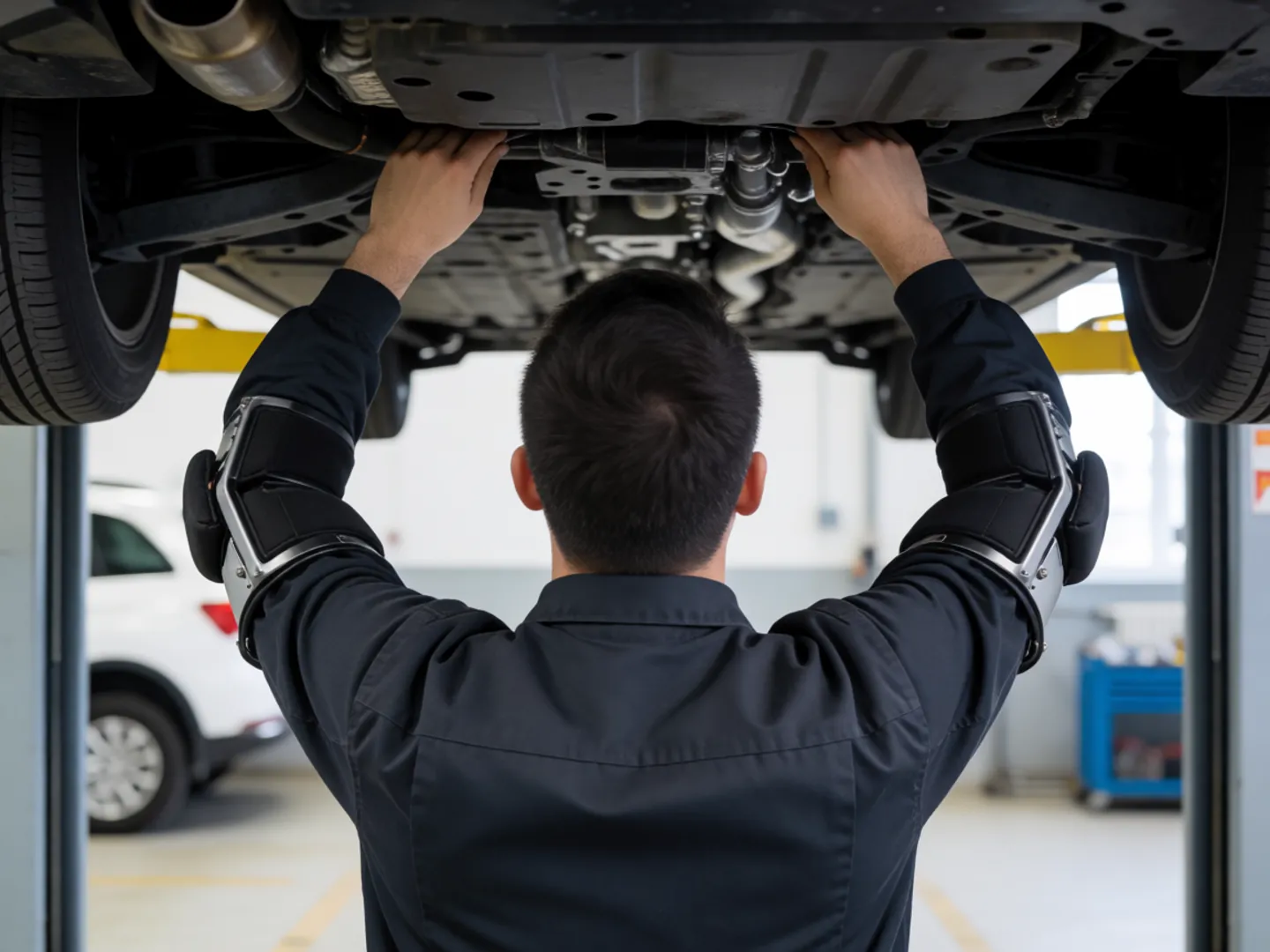
A 2025 UK review found relief was most often reported in overhead or static tasks, while strap pressure and restricted movement hampered dynamic work.
See the numbersCOMFORT
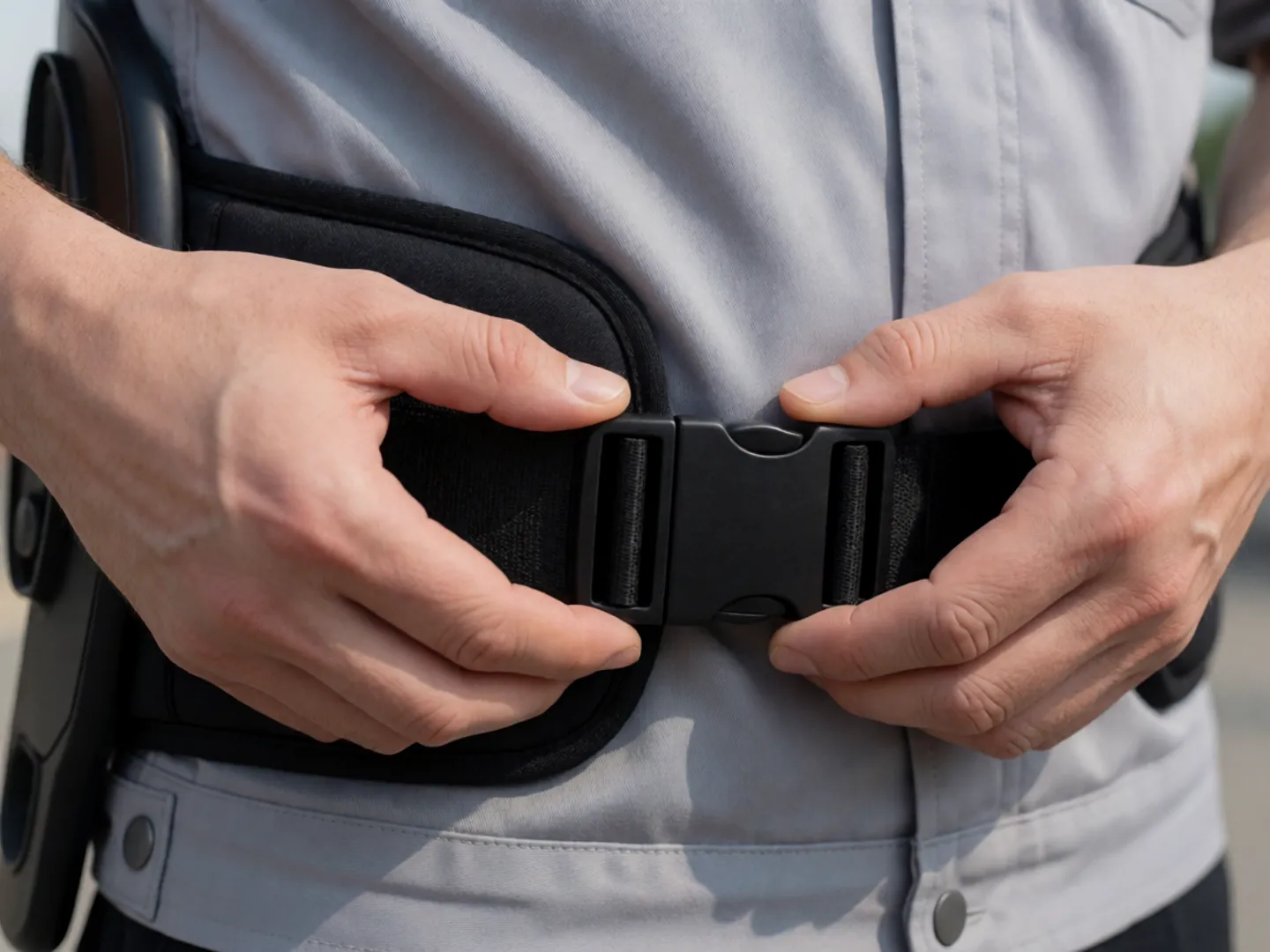
Discomfort, poor fit and heat build-up were the most common complaints, and discomfort often grew the longer the device was worn.
Before you trial oneA QUICK TASK CHECK
Pick a kind of work to see what the research reviews found. The bar shows how well that kind of task suited the exoskeletons studied.
Based on a 2025 University of Southampton scoping review of 49 papers and a 2021 systematic review of 34 back-support exoskeletons. General information, not workplace safety advice.
FOUR THINGS TO CHECK
The research points to the same lesson again and again: an exoskeleton works when it suits the task, the person and the workplace.
HSE says employers must avoid hazardous manual handling where reasonably practicable, assess what cannot be avoided and reduce the risk.
The 2021 review suggests passive devices for lighter, less dynamic tasks and active ones for heavier, more vigorous work.
Poor training was a barrier: one device was broken by incorrect donning, and rushed onboarding was linked to discomfort.
Discomfort often grew with time, and voluntary use and peer support mattered for people to keep using it.
TWO NUMBERS WORTH KNOWING
One figure on the problem in Great Britain,
one on what a device can do.
511k workers
Workers with work-related musculoskeletal disorders, 2024/25
HSE estimates 511,000 workers had a work-related musculoskeletal disorder in 2024/25, with 7.1 million working days lost. The back was affected in 43% of cases.
GREAT BRITAIN · HSE
23–43%
Cut in back-muscle activity when leaning
A systematic review of 34 back-support exoskeletons reports one device cut back-muscle activity by 23–43% when leaning, but by only 14–16% when lifting.
ONE DEVICE · 2021 REVIEW
The same 2021 review says the real effect on preventing back injuries is yet to be evaluated, and that technical challenges and a lack of established safety standards limit wider use.
WHAT WE DO NOT KNOW YET
The Southampton review notes that much of the research on back-support exoskeletons has been done in laboratories with similar groups of people, like healthy young men, which may not reflect real workplaces.
Longer wear brought discomfort at contact points, especially for smaller or female users in healthcare trials. The authors call for inclusive, longer-term research before wide adoption.
Questions
A wearable device designed to reduce physical strain during demanding tasks. The Southampton review says they range from rigid frames to soft, elastic versions known as exosuits.
Passive devices use springs or elastic elements to store and release energy. Active devices are driven by electric motors, pneumatic muscles or hydraulic actuators, according to the 2021 systematic review.
Not proven yet. The 2021 review says they have potential, but their real effect on preventing back injury is yet to be evaluated, and established safety standards are lacking.
No. HSE says employers must avoid hazardous manual handling so far as reasonably practicable, assess what cannot be avoided and reduce the risk. The Southampton review treats exoskeletons as a possible complement to existing measures.
The 2025 review found discomfort, poor fit, heat, weight, bulk and restricted movement were recurring barriers. In some trials, users said the device hindered them even when their back felt better.
Updated
ABOUT THIS NAME
cybertechwear.com is part of the DoodleSale portfolio. It isn't in an auction right now, but you can ask about leasing it.